


Sinapis
Description
This section is from the book "Laboratory Manual Of Pharmacology", by A. D. Bush. Also available from Amazon: Laboratory manual of pharmacology.
Sinapis
Sinapis, or Mustard, consists of the dried ripe seeds of Sinapis alba and of Bras-sica nigra (both of the Fam. Cruciferce), natives of Europe, but extensively cultivated elsewhere. These two Mustards manifest several variations in properties, the black variety being considerably the stronger.
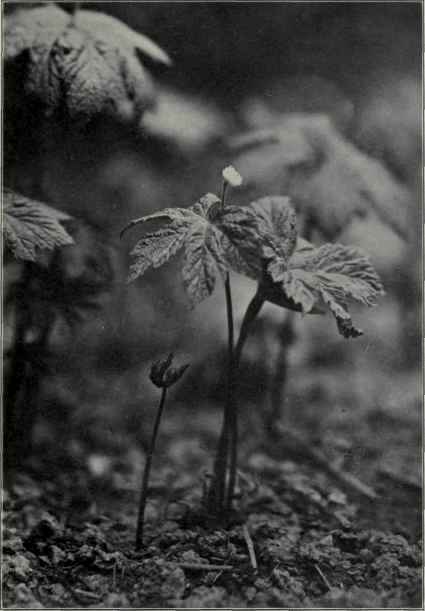
Hydrastis Plant In Bloom (Hydrastis Canadensis).
Properties:
Sinapis alba | Sinapis nigra | |
Appearance | ||
Color | ||
Odor when dry | ||
Odor when wet Use tepid water | ||
Taste |
Mustard is used for the irritating oil developed in the presence of moisture. It is a powerful, though not rapid, rubefacient and counterirritant, becoming a painful vesicant if applied too long a time. Usually an application for 20 minutes secures ample rubefaction. Mustard was formerly much used for emetic purposes, but is better supplanted by something less irritating to the gastric mucosa.
Continue to:


My Books

