


Sprain And Rupture Of The Flexor Metatarsi
Description
This section is from the book "The Horse - Its Treatment In Health And Disease", by J. Wortley Axe. Also available from Amazon: The Horse. Its Treatment In Health And Disease.
Sprain And Rupture Of The Flexor Metatarsi
The function of this muscle is to flex the canon on the hock and advance the limb. The action displayed by our best movers is for the most part due to its vigorous contractions. Arising from the lower end of the femur or thigh-bone, it terminates below in a number of strong tendinous cords, some of which are inserted into the small bones of the tarsus and others in the upper and front part of the metatarsal or canon bone.
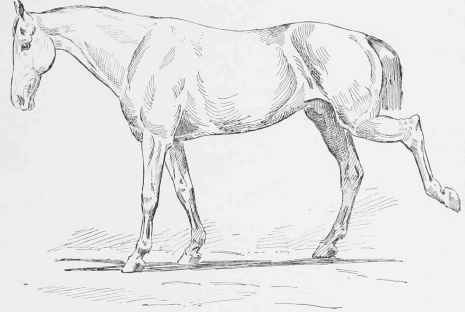
Fig. 368. - Rupture of the Flexor Metatarsi.
Sprain to this muscle or its tendon, although not of common occurrence, is more frequently the cause of lameness behind than is generally allowed, and the writer has observed on several occasions the development of spavin to follow upon sprain to the tendons which insert themselves into the bones of the hock. Whether in these cases the ossific develop-rnent was the direct consequence of the sprain cannot be definitely stated.
The causes which stretch and strain the flexor metatarsi are chiefly those which unduly and forcibly extend the limb, such as violent kicking, slipping backward on to the front of the fetlock while carrying or drawing great weights, severe efforts in withdrawing the feet from deep ground or rabbit boles while galloping, or when fixed in railway points, as occurs to horses engaged in shunting.
Symptoms
In sprain to the tendons of this muscle the horse moves the leg forward with difficulty. There is inability to bend the hock, and the limb is carried forward with a slight outward swing. When standing, the heel of the foot is raised and the hind-quarter is depressed. Heat and slight swelling over the seat of injury will be observed, and deep pressure causes pain.
Where, as sometimes occurs, the muscle becomes ruptured, the leg is drawn directly backward and the sole of the foot inclined upward.
The gastrocnemii tendons (hamstrings), having now nothing to antagonize their action, become relaxed and thrown into folds.
Treatment
Complete rest and cold-water irrigation should first be resorted to, and is usually all that is needed. Where, however, lameness-continues after sprain of the tendon has been so dealt with for two or three weeks, a blister should be applied to both sides of the hock-joint, and repeated if necessary. It must on no account be applied to the front or bend of the joint, where the tendons are situated.
Continue to:


My Books

