


33. Handscrews
Description
This section is from the book "Elements Of Construction", by Charles A. King. Also available from Amazon: Elements of construction.
33. Handscrews
Handscrews (A.), if of good material and well made, will stand any legitimate use, and if properly used and cared for, will last a lifetime. However, a novice or a careless workman often destroys them rapidly by allowing the jaws to be under strain while in the position shown in
Fig. 62, which will probably break the middle screw, and perhaps both screws. (B.) In using handscrews for gluing, the jaws should be set to nearly the size of the material which is to be placed between them, before the glue is spread. In placing the hand-screws upon the work, the outside screw should be turned back so that it will not prevent the jaws from being slightly closer at the outside screw than at the points. By this method the strain which is applied in setting up the outside screw will bring the jaws parallel, which is the only position in which handscrews should be allowed to remain. In opening or closing a handscrew, the middle screw should be held in the left hand, and the outside screw in the right, as in Fig. 63; the screws should then be grasped so that they will not turn in the hand and the hand-screw revolved in the desired direction. Never put unnecessary strain upon handscrews, nor leave them with a heavy strain upon them for a very long time.

Fig. 62. - Effect of the Unskillful Use of a Handscrew.
If the work is well fitted, no more strain should be used than is necessary to bring the joints well up, and no work should be glued unless the joints fit well. In any case, the outside screw should be turned back a quarter or a half a turn after the glue has set; this will relieve the strain, and add much to the life of the handscrew.
In gluing work which requires several handscrews to hold it while the glue is setting, the handles of the outside screws all should point one way. This allows the work to be handled much more easily, as the handles of the middle screws will form an even bearing upon the floor. If this is not done, the outside screws are apt to be broken when a heavy piece of work is being glued and handled, since the weight of the work will rest upon the screws which bear upon the floor.
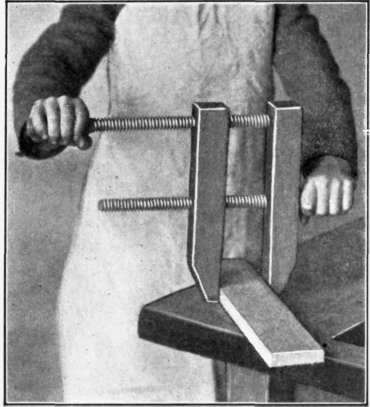
Fig. 63. - Correct Use of the Handscrew.
(C.) Before using new handscrews, the screws should be treated with beeswax and beef tallow, or with black lead mixed with oil or with wax The latter compound is very dirty; the former lubricates the screws perfectly. The screws should be heated, and the lubricant applied hot.
Continue to:


My Books

