


II. Ring-Porous Woods
Description
This section is from the "Educational Woodworking For Home And School" book, by Joseph C.Park . Also see Amazon: Educational Woodworking For Home And School.
II. Ring-Porous Woods
[Some of Group D and cedar elm imperfectly ring-porous].
A. Pores In The Summer Wood Minute, Scattered Singly Or In Groups, Or In Short Broken Lines, The Course Of Which Is Never Radial
1. Pith Rays Minute, Scarcely Distinct
a. Wood heavy and hard; pores in the summer wood not in clusters, a'. Color of radial section not yellow (Nos. 39-44) Ash.
b'. Color of radial section light yellow; by which, together with its hardness and weight, this species is easily recognized (No. 103) Osage Orange. b. Wood light and soft; pores in the summer wood in clusters of 10 to 30 (No. 56) Catalpa.
2. Pith Rays Very Fine, Yet Distinct
Pores in summer wood usually single or in short lines; color of heart wood reddish brown; of sap-wood yellowish white; peculiar odor on fresh section (No. Ill) Sassafras.
3. Pith Rays Fine, But Distinct
a. Very heavy and hard; heart wood yellowish brown (No. 77) Black Locust.
b. Heavy; medium hard to hard.
a'. Pores in summer wood very minute, usually in small clusters of 3 to 8; heart-wood light orange brown (No. 83) Red Mulberry.
b'. Pores in summer wood small to minute, usually isolated; heartwood cherry red (No. 61) Coffee Tree.
4. Pith Rays Fine But Very Conspicuous, Even Without Magnifier
Color of heartwood red; of sap-wood pale lemon (No. 78) Honey Locust.
B. Pores Of Summer Wood Minute Or Small, In Concentric Wavy And Sometimes Branching Lines, Appearing As Finely-Feathered Hatchings On Tangential Section
1. Pith Rays Fine, But Very Distinct; Color Greenish White
Heartwood absent or imperfectly developed (No. 70) Hackberry.
2. Pith Rays Indistinct
Color of heartwood reddish brown; sapwood grayish to reddish white (Nos. 62-66) Elms.
C. Pores Of Summer Wood Arranged In Radial Branching Lines (When Very Crowded Radial Arrangement Somewhat Obscured)
1. Pith rays very minute, hardly visible (Nos. 58-60) Chestnut.
2. Pith rays very broad and conspicuous (Nos. 84-102) Oak.
D. Pores Of Summer Wood Mostly But Little Smaller Than Those Of The Spring Wood, Isolated And Scattered
Very heavy and hard woods. The pores of the spring wood sometimes form but an imperfect zone. (Some diffuse-porous woods of groups A and B may seem to belong here).
1. Fine concentric lines (not of pores) as distinct, or nearly so, as the very fine pith rays; outer summer wood with a tinge of red; heartwood light reddish brown (Nos. 71-75) Hickory.
2. Fine concentric lines, much finer than the pith rays; no reddish tinge in summer wood; sap-wood white; heartwood blackish (No. 105) Persimmon.
II. Ring-Porous Woods. Additional Notes For Distinctions In The Group
Sassafras and mulberry may be confounded but for the greater weight and hardness and the absence of odor in the mulberry; the radial section of mulberry also shows the pith rays conspicuously.
Honey locust, coffee tree, and black locust are also very similar in appearance. The honey locust stands out by the conspicuousness of the pith rays, especially on radial sections, on account of their height, while the black locust is distinguished by the extremely great weight and hardness, together with its darker brown color.

Fig. 237. Wood of coffee tree.
The ashes, elms, hickories, and oaks may, on casual observation, appear to resemble one another on account of the pronounced zone of porous spring wood. The sharply denned large pith rays of the oak exclude these at once; the wavy lines of pores in the summer wood, appearing as conspicuous finely-feathered hatchings on tangential section, distinguish the elms; while the ashes differ from the hickory by the very conspicuously defined zone of spring-wood pores, which in hickory appear more or less interrupted. The reddish hue of the hickory and the more or less brown hue of the ash may also aid in ready recognition. The smooth, radial surface of split hickory will readily separate it from the rest.
The different species of ash may be identified as follows: a. The lines short and broken, occurring mostly near the limit of the ring (No. 39) White Ash.
1. Pores in the summer wood more or less united into lines.
b. The lines quite long and conspicuous in most parts of the summer wood (No. 43) Green Ash.
2. Pores in the summer wood not united into lines, or rarely so.
a. Heartwood reddish brown and very firm (No. 40) Red Ash.
b. Heartwood grayish brown, and much more porous (No. 41) Black Ash.
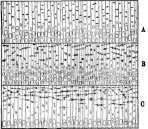
Fig. 238. A, black ash; B, white ash; C, green ash.
In the oaks, two groups can be readily distinguished by the manner in which the pores are distributed in the summer wood. In the white oaks the pores are very fine and numerous and crowded in the outer part of the summer wood, while in the black or red oaks the pores are larger, few in number, and mostly isolated. The live oaks, as far as structure is concerned, belong to the black oaks, but are much less porous, and are exceeding heavy and hard.

Fig. 239. Wood of red oak.

Fig. 240. Wood of chestnut.

Fig. 241. Wood of hickory.
Continue to:


My Books

