


Plug-Closets
Description
This section is from the book "Sanitary Fittings And Plumbing", by G. Lister Sutcliffe. Also available from Amazon: Sanitary fittings and plumbing.
Plug-Closets
The "Trapless" valve-closet was an attempt to simplify the mechanism of the ordinary type of valve-closet. The trap was omitted, and the hinged valve was replaced by a plug attached directly to the handle by a vertical spindle, and working in a small compartment communicating with the basin by means of a large opening. When the plug was raised, the contents of the basin escaped through the opening under the plug to the soil-pipe below. The supply apparatus was regulated by a ball-cock or float in the plug chamber. The objections to this closet are that the plug is certain to be fouled by the soil, and that foul air is forced into the room whenever the plug is raised. The small ventilation-pipe sometimes inserted below the plug seat is of very little use as a preventive of the latter defect. The insertion of a trap below the plug seating is the obvious remedy, and this has been done in Jennings's improved plug-closet shown in fig. 92. The basin and trap are made in one piece of glazed earthenware; the plug is connected by a vertical spindle to the handle A, and fits on a seating at the tapered part B; the regulating supply-valve is shown at C. The plug is hollow and forms the overflow, and is fitted with a ball-trap. This closet is undoubtedly an improvement on the original form, but the plug is certain to get fouled, and may be prevented (by paper or soil) from fitting tightly against the seating. The flange-joint at the floor-level is a defect, but the closet is also made with an adjustable P-trap, the outlet of which is above the floor. The closet is simple in construction and has the advantage of retaining a large quantity of water, but it cannot be recommended for use at the present day.
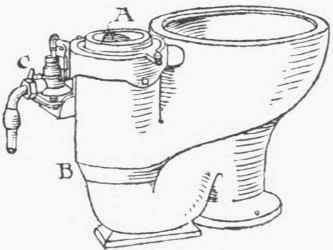
Fig. 92. Jennings's Improved Plug-Closet.
Continue to:


My Books

